Archaeologists have discovered what they describe as the world’s oldest shipwreck off Turkey’s Mediterranean coast, near Kekova Island in Antalya. Researchers estimate the wreck is between 4,400 and 4,700 years old, based on the pottery’s distinctive shape and decoration. Although the ship’s wooden structure has not survived, more than 30 ceramic storage pots and three stone anchors remain scattered across the seabed, about 30 metres underwater. Researchers dated the wreck by analysing the dist
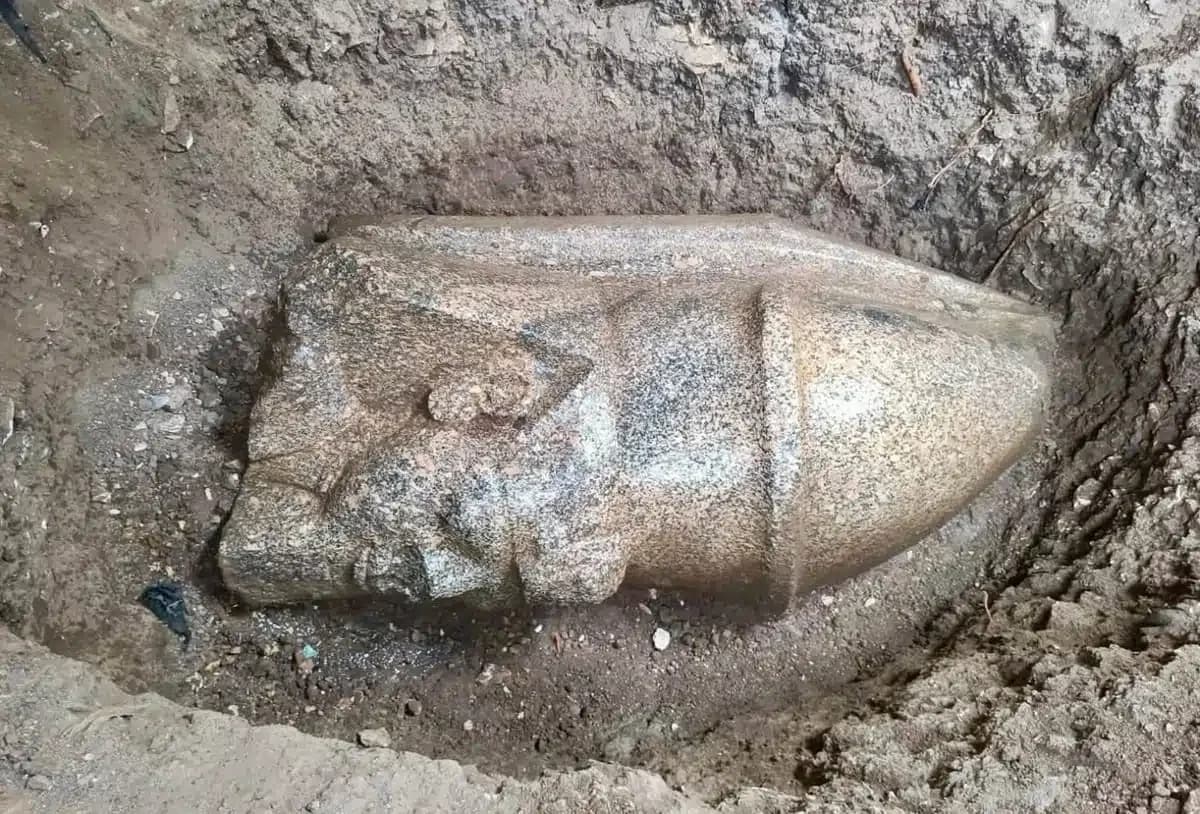
An expedition of Egypt's Supreme Council of Antiquities has discovered parts of two colossal pharaoh statues in Behbet el-Hagar, likely depicting Ramesses II. The finds include a head with a double crown measuring 1.6 meters and a 2.4-meter statue fragment with a nemes headdress.
The Naked Science publication presented a curated selection of photos from the winners and works highly rated by the jury. They depict predators' hunts, animals caring for their young, and unexpected encounters in nature.
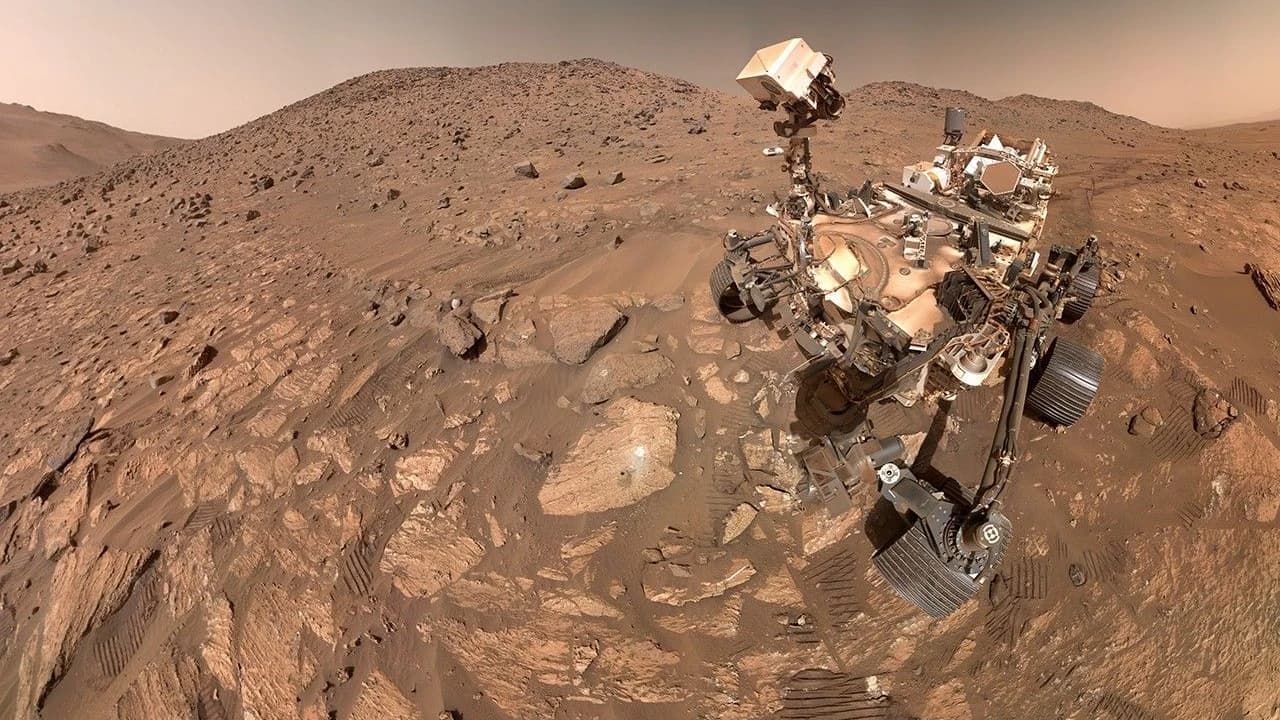
NASA announced that its Perseverance Mars rover had traveled 45.22 km across Mars as of October 11, 2026, setting a new record for the total distance traveled on the surface of another planet, surpassing the previous record of 45.16 km set by the Opportunity rover (2004–2018). Perseverance also overtook Curiosity, Spirit, Sojourner, the Soviet Lunokhod-1 and Lunokhod-2, the Apollo lunar rovers, and China's Yutu rovers. Launched on July 30, 2020, the rover landed in Jezero Crater on February 18, 2021, to search for traces of ancient microbial life and collect samples for delivery to Earth. NASA's Steven Lee said the rover is in excellent condition and could operate into the 2030s or beyond.
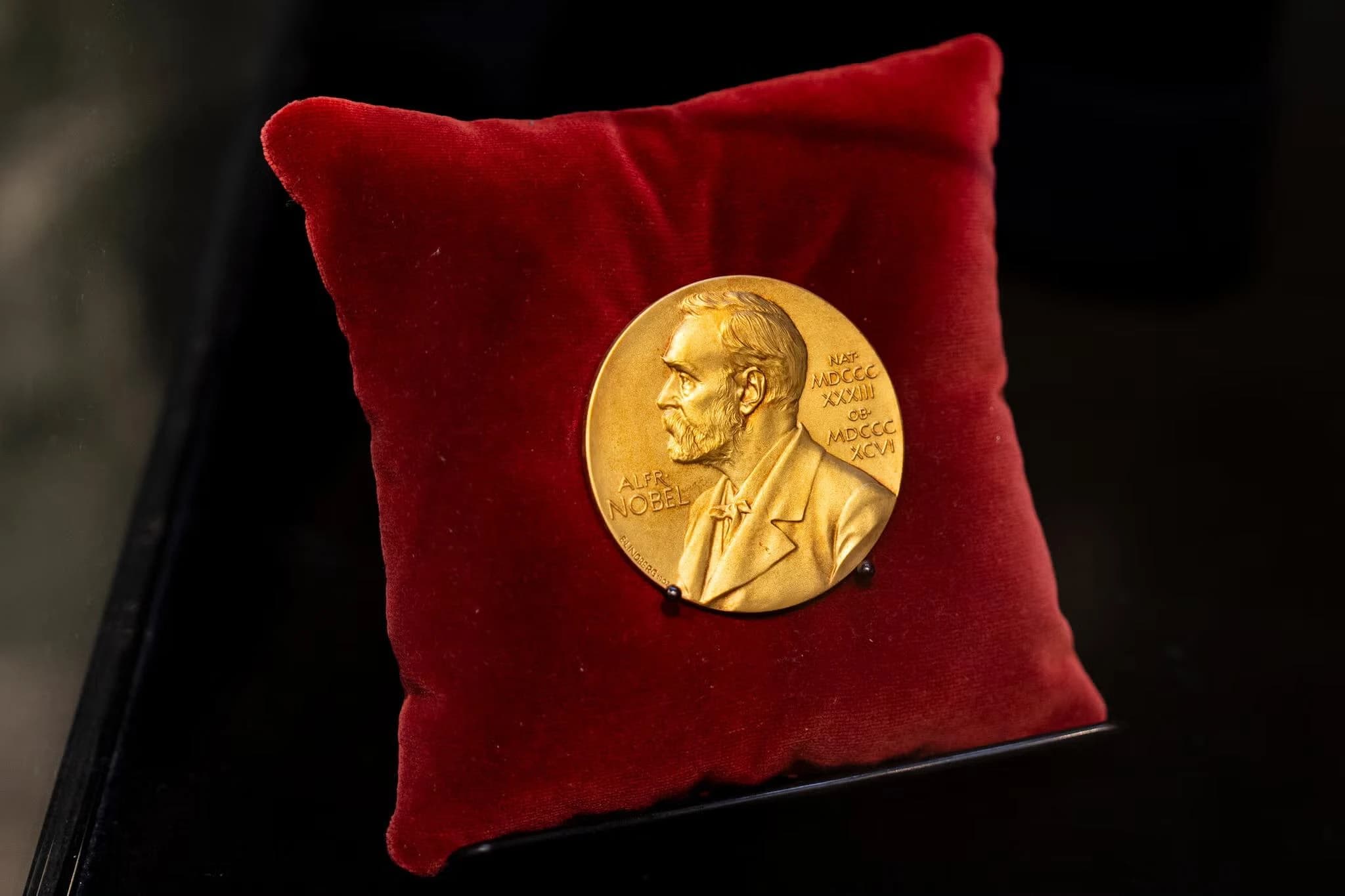
The 2026 Nobel Prize winners were announced October 5–12 across six categories, going to scientists, a poet and a legal scholar. The UN commission head who concluded genocide was committed in Gaza was deemed worthy of the Peace Prize, while President Trump sharply criticized the committee. The article explains how laureates are selected, the secrecy of nominees for 50 years, the prize components, and the increased 12 million kronor amount for the 125th anniversary.
Women are disproportionately affected by autoimmune diseases — conditions in which the immune system mistakenly attacks the body's healthy cells and tissues. Yet a new study has found they are significantly more likely than men to face prolonged diagnostic journeys, with nearly a third of surveyed women waiting four years or longer for a diagnosis. While nearly half of men are diagnosed within a year of symptom onset, most women face longer delays, with 60.4% waiting more than a year for a corr
An assessment published in The Lancet places nuclear conflict and the malicious use of artificial intelligence in the highest category of global threats to humanity by the end of the 21st century. A commission of experts reviewed hundreds of potential threats and identified the 17 most significant risks to human health and survival for 2025–2100, covering 204 countries and territories. Nuclear war is dangerous not only for its immediate destruction and casualties but also for possible global famine from nuclear winter, while malicious AI could facilitate the development of biological weapons. Other serious threats include climate change, air pollution, antibiotic resistance, pandemics, armed conflicts, child malnutrition, obesity, smoking, excessive alcohol consumption, and mental disorders. The researchers measured consequences in lost years of healthy life and stressed that timely measures in healthcare, technology, security, and policy could greatly reduce future damage. The authors note that the probability of nuclear conflict and malicious AI use remains low, though the potential consequences are extremely large.
At the FIRST Global Challenge international robotics competition held in Incheon, South Korea, with participants from about 200 countries, Uzbekistan's youth team won 3 gold medals and achieved absolute championship. The team won all 16 matches, scored 637 points, and set a competition record. This year's competition was dedicated to preventing forest fires, reducing their consequences, and restoring nature, and the young Uzbek engineers presented innovative engineering solutions to these environmental problems.
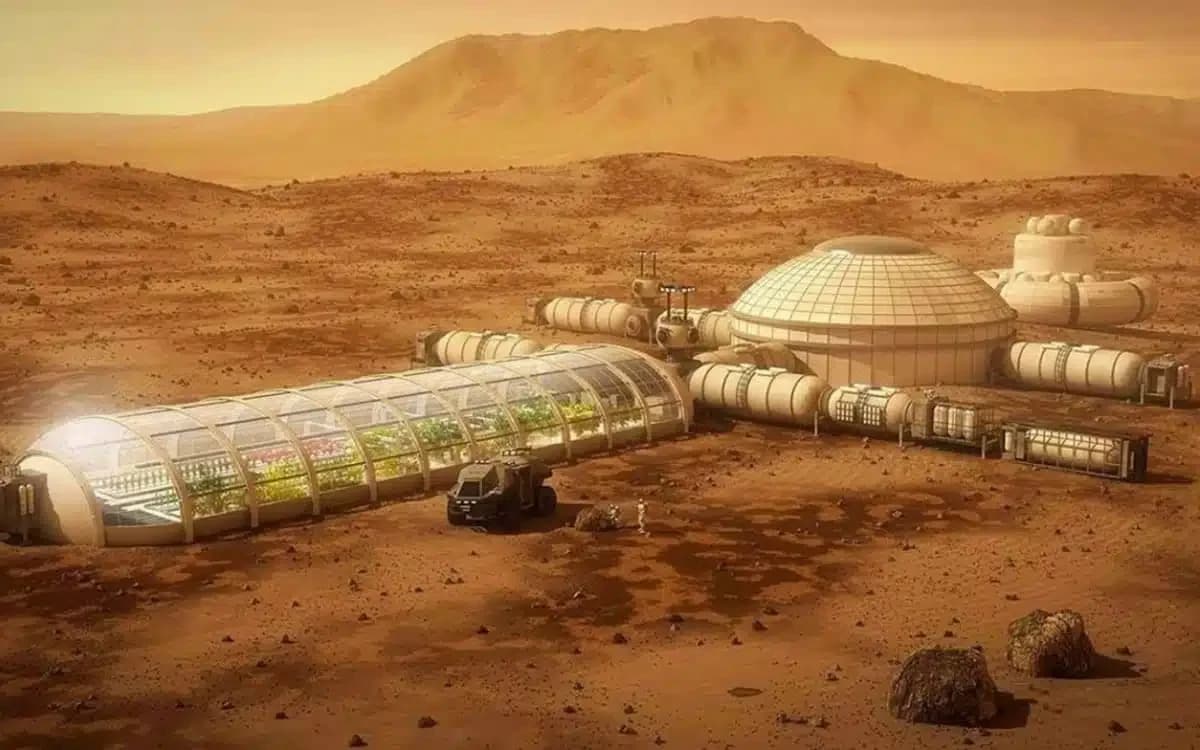
A junior researcher at the Shanghai Astronomical Observatory of the Chinese Academy of Sciences outlined three key tasks for permanent human habitation on Mars: reliable communication between Earth and Mars, cargo and sample transport between the planets, and sustaining human life on Mars. China plans the Tianwen-3 mission around 2028 to return Martian soil samples by about 2031. Despite harsh conditions, Mars is seen as the most achievable target beyond the Earth–Moon system.
In Australia, a calf nicknamed Spider was born with extra legs growing from its head. Veterinarian Megan Smith said she had never seen such a case in her 20-year career. Specialists suggest the cause may be the "parasitic twin" phenomenon, genetic mutations, or developmental disruptions. The surgery to remove the extra legs lasted about an hour and a half, and the calf's condition quickly improved.
According to Eurostat data cited by Naked Science, the share of students with low mathematics results has increased in almost all European countries compared to 2018. In North Macedonia it rose from 61% to 68%, while in Estonia, despite the best result (17.2%), the figure worsened from 10.2%. Norway saw the sharpest decline, with the share nearly doubling from 18.9% to 38%. Turkey was the only country with a slight improvement, from 36.6% to 35.7%. PISA assesses mathematical literacy across six levels, with level two considered basic — the minimum skills needed to live and work in modern society.
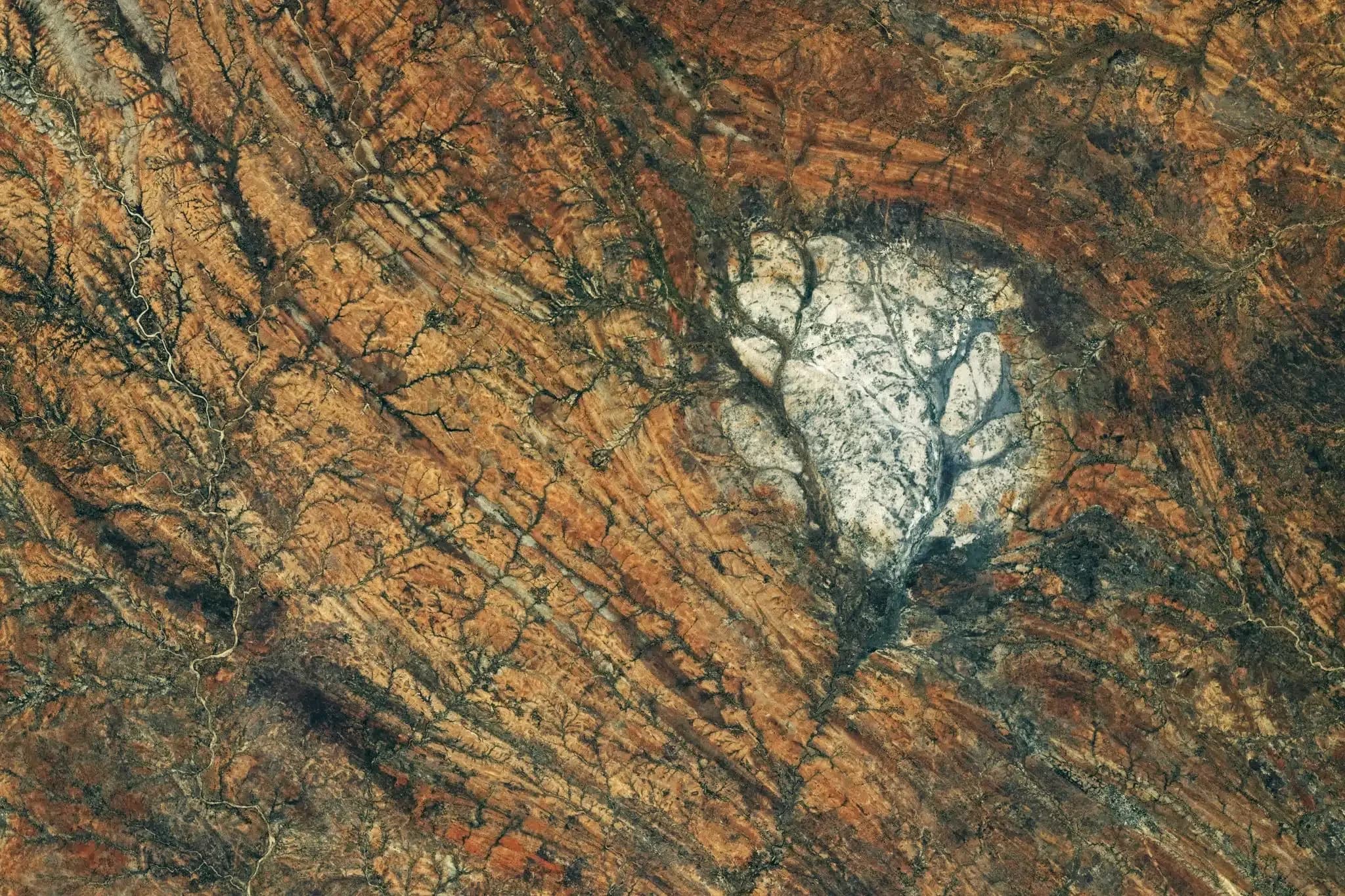
NASA published an orbital photo of Madagascar's Saririaki massif, where light-colored anorthosite rocks resemble the Moon's highlands. Geologists had studied the massif long before: in 1998, researchers led by Lewis Ashwal dated the anorthosites' crystallization to about 660 million years ago, linking later alterations to the assembly of Gondwana. Lunar anorthosites, by contrast, are over four billion years old, like the famous 'Genesis Rock' brought back by Apollo 15 astronauts in 1971.
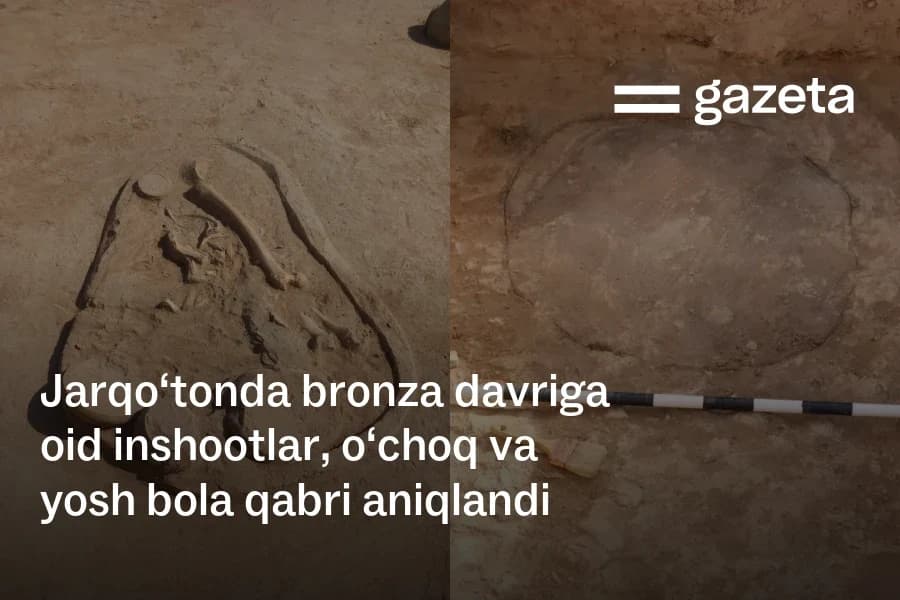
At the Jarkutan archaeological site in Surkhandarya region, structures, a hearth and burials dating to the Bronze Age have been discovered, the Agency for Cultural Heritage reported. Excavations began in October this year and are led by Komil Rahimov of the Samarkand Institute of Archaeology, with participation from Termez State University students and an Italian master's student. Finds include mud-brick structures, a 70 cm hearth, four intact ceramic vessels in one grave, a young child's burial, a household pit and two circular ash pits. The finds date to the Bronze Age (3rd–1st millennia BC) and will help study the life, economy and burial rites of the ancient population. Research is ongoing.