The key facts
- NASA featured an ISS photo of Madagascar's Saririaki massif as its Photo of the Day on October 5.
- Anorthosites in Saririaki and the neighboring Ankafotiya massifs were dated to about 660 million years, with later changes tied to Gondwana's assembly.
- Lunar anorthosites are far older — over four billion years — as shown by the Apollo 15 'Genesis Rock' sample.
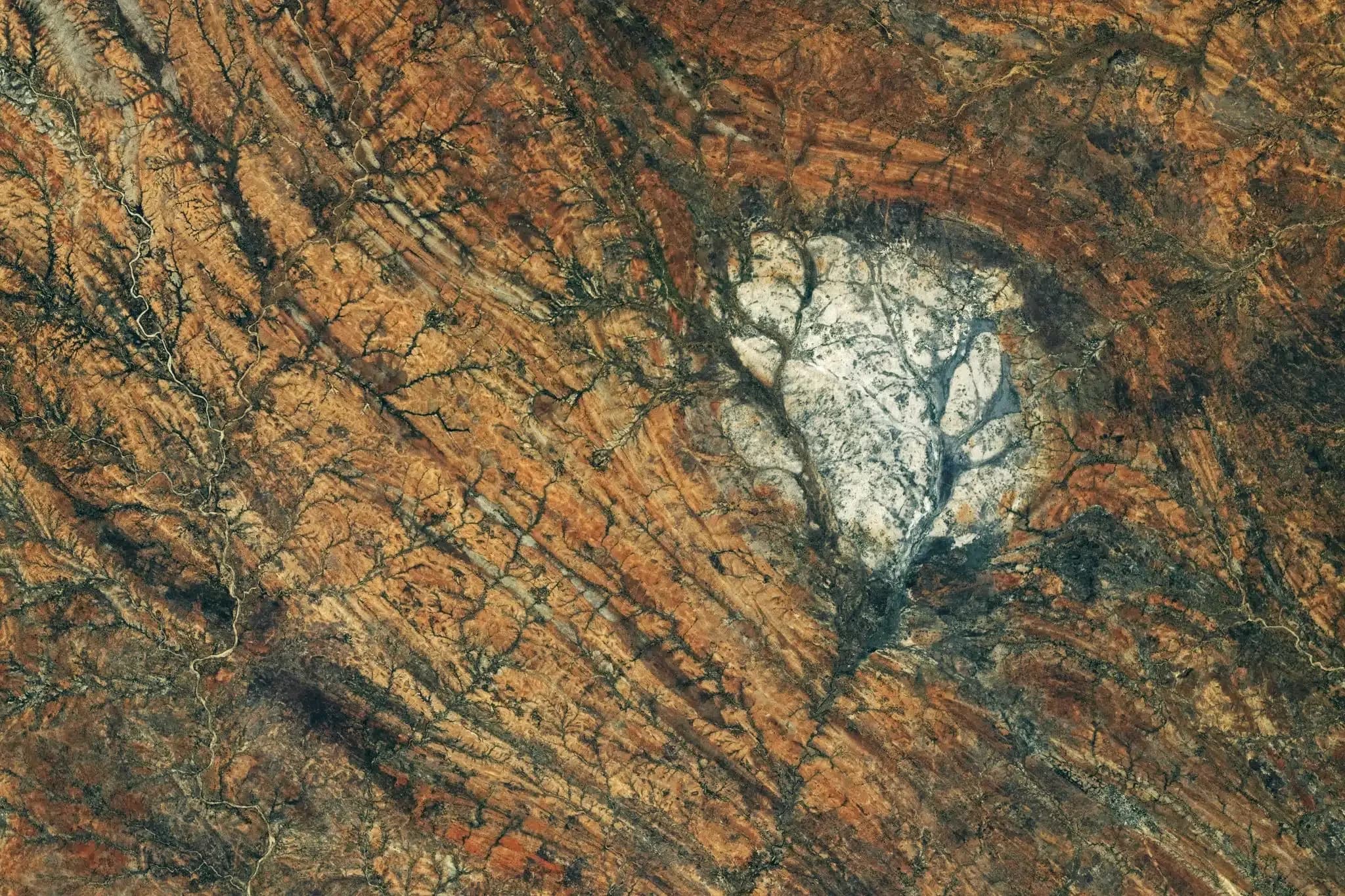
The photo was taken on August 28, 2026, by a member of the 75th expedition to the International Space Station. NASA selected it as the 'Photo of the Day' on October 5. selected.
The image shows a large, light-colored, rounded area among brownish rocks. This is a portion of anorthosite rocks exposed at the surface.
Anorthosite is an igneous rock that forms when molten material beneath the Earth's surface cools and preserves large mineral crystals. Rocks of the same type also exist on the Moon: they make up the bright highland regions that can be seen from Earth even without a telescope.
The Saririaki massif is not a new discovery. Geologists studied it long before the new orbital image was taken.
In 1998, researchers led by Lewis Ashwal estimated the crystallization age of the anorthosites in the Saririaki and the neighboring Ankafotiya massifs at approximately 660 million years. The margin of error of the calculation was 60 million years.
For this, the scientists used the ratios of samarium and neodymium isotopes in the rocks and individual minerals. According to the analyses, the initial molten material that formed the rocks originated from the Earth's mantle.
Later, these rocks underwent significant alteration under the influence of high temperature and pressure. The researchers linked this process to the unification of the eastern and western parts of Gondwana approximately 630–550 million years ago. This supercontinent included the territories of present-day Africa, India, Madagascar, Australia, and Antarctica.
Traces of ancient deformation are also visible in the stretched rock layers around the massif. In a 2000 study, scientists identified two stages of changes in this area — periods of approximately 590–530 and 530–500 million years ago.
The anorthosites on the Moon, however, are much older than those in Madagascar: their age exceeds four billion years. According to the model of the Moon's early magma ocean, light plagioclase crystals rose to the surface of the molten material and accumulated, forming the outer crust. Heavier minerals sank deeper.
Participants of the Apollo program brought samples of such ancient rocks back to Earth. One of them is sample number 15415, known as the 'Genesis Rock,' found by the Apollo 15 astronauts on August 1, 1971. Its age is estimated at approximately four billion years.