The key facts
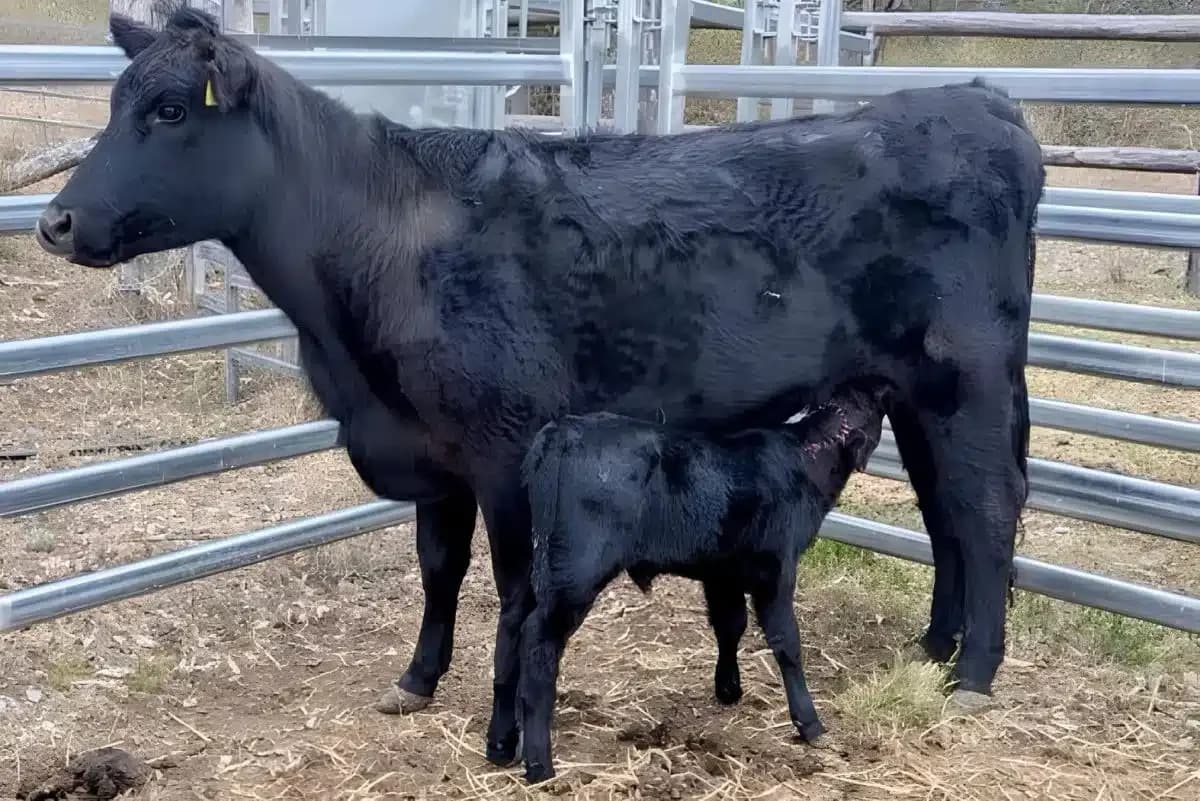
- A calf nicknamed Spider was born in Australia with legs growing from its head; the veterinarian said she had never seen such a case in 20 years.
- Possible causes include the "parasitic twin" phenomenon, genetic mutations, and developmental disruptions.
- The surgery to remove the extra legs lasted about an hour and a half, and the calf's condition quickly improved.
According to Naked Science, citing an ABC report, veterinarian Megan Smith, who saw the calf nicknamed Spider, said that in her 20-year career she had never encountered such a case she said.
According to specialists, if the extra legs had not been removed, various problems could have arisen as the calf grew, including difficulty maintaining its balance.
Imke Tammen, a specialist at the Sydney University School of Veterinary Science, said that it is currently impossible to state the exact cause of this condition.
One possible explanation is the "parasitic twin" phenomenon. In this case, during the earliest stages of embryonic development, one fetus absorbs its less developed twin. As a result, some parts of the second twin's body may remain attached to the developing fetus.
However, Tammen did not rule out other causes. According to her, certain disruptions in the animal's development process can also lead to the appearance of extra legs.
In some cattle breeds, such conditions are linked to hereditary genetic diseases. Scientists know of some genetic mutations associated with the development of extra legs, but it has not been confirmed that this was the cause of Spider's condition.
There is also no precise data on how often animals born with extra legs occur.
The operation to remove the extra legs from Spider's head lasted about an hour and a half. After the procedure, the calf's condition quickly improved.