The key facts
- Uzbekistan plans to restore 3.7 million hectares of pastures by 2027, with 620 thousand hectares by the end of 2026.
- 448 wells will be drilled and 161 hydraulic structures built this year to improve water supply.
- 627 thousand hectares of pastures will be leased free of charge for 49 years to 470 mahallas and exempted from taxes.
Uzbekistan plans to restore 3.7 million hectares of pastures by 2027.
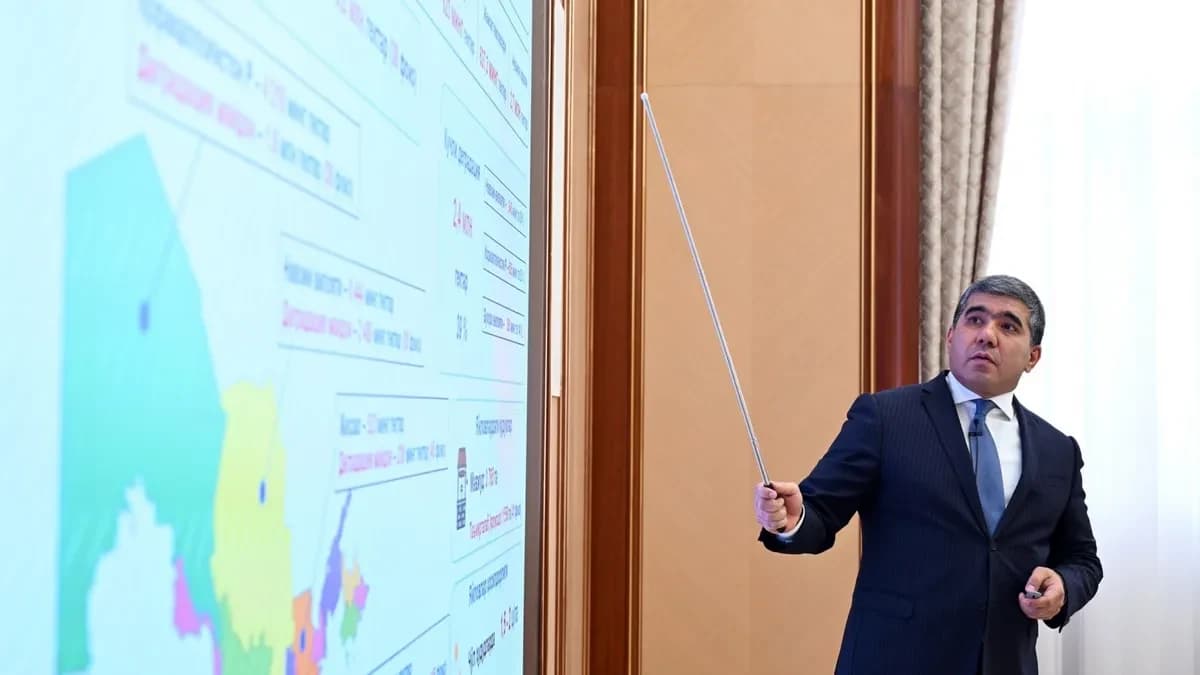
By the end of 2026, work must be carried out on 620 thousand hectares. This was announced following a presentation to President Shavkat Mirziyoyev of measures to improve the condition of pastures and water supply.
The country has 21.255 million hectares of pastures, but only 40% of their area is used effectively.
To improve water supply, 448 wells are planned to be drilled next year, which will provide water to 1.5 million hectares of pastures. By the end of 2026, 1.6 thousand wells are also to be repaired.
In addition, this year 161 hydraulic structures for irrigation will be built with budget funds. In 2027 and 2028, another 81 facilities are planned to be built each year. According to the presentation, these measures will make it possible to restore 969 thousand hectares of pastures.
Separate measures are provided for residents of remote areas. By the end of the year, 627 thousand hectares of pastures are planned to be transferred free of charge on a 49-year lease to 470 mahallas for public livestock grazing. These lands will be exempt from taxes.
It is also planned to formalize the rights of actual users on 623 thousand hectares of pastures, where 260 thousand head of livestock currently graze. Livestock breeders will be given the opportunity to build complexes without changing the category of pasture land.
In the Navoi, Samarkand and Surkhandarya regions, 15 livestock complexes with a total area of 130 hectares are planned to be built, designed for more than 55 thousand head of livestock.
The head of state gave responsible officials instructions on restoring pastures, strengthening the water and feed base, and implementing new opportunities for the population and entrepreneurs on the ground.