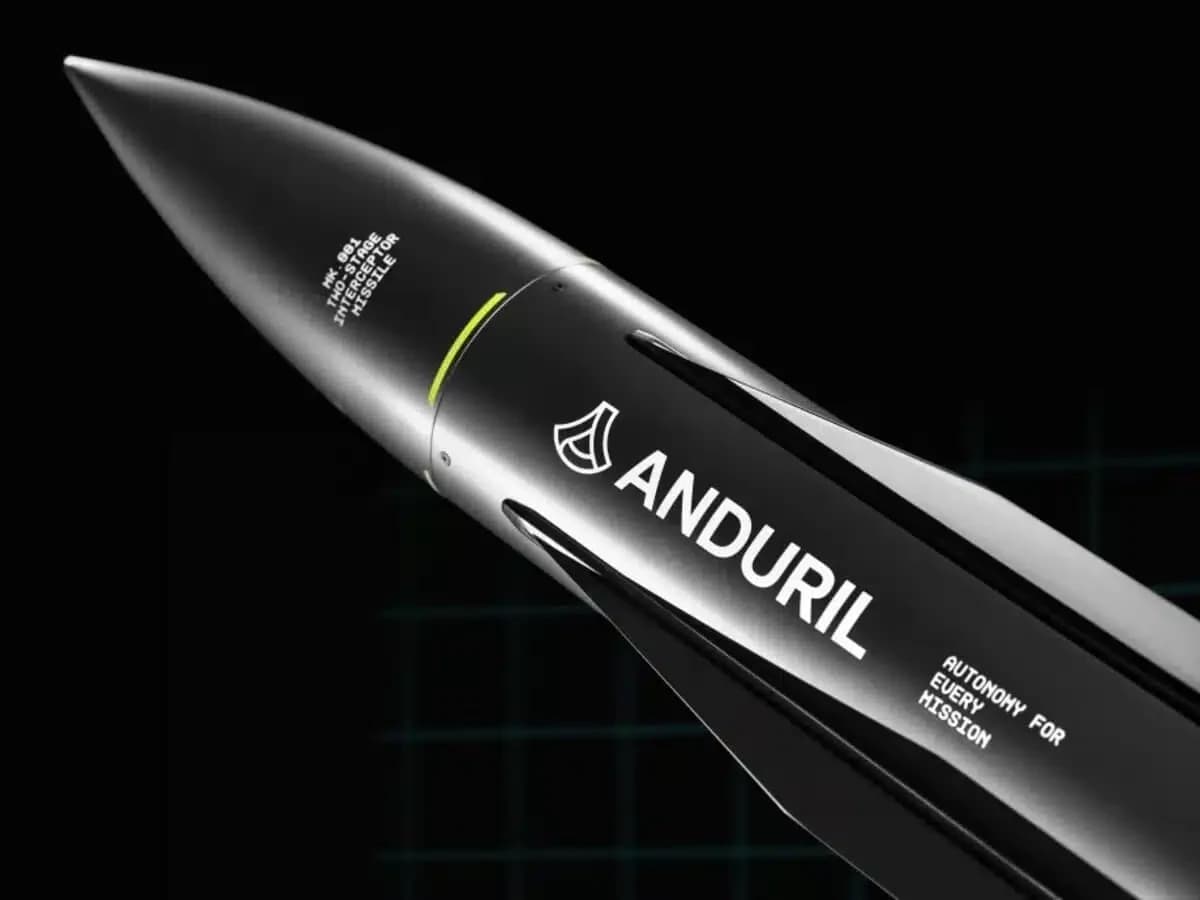
The key facts
- Steelfin missiles are built on a single architecture with a common manufacturing process, allowing adaptation of an existing design instead of creating a new missile for each mission.
- The family includes both hit-to-kill vehicles and variants with a fragmentation-explosive warhead, targeting threats up to cruise and hypersonic missiles.
- Flight tests of various Steelfin variants are planned for 2027; intercept range and other key metrics have not yet been disclosed.
According to The War Zone, as reported by Naked Science, the Steelfin missiles are being built on a single architecture and a common manufacturing process. This is expected to make it possible to adapt an existing design instead of developing an entirely new missile for each mission it is expected.
The presentation took place at a time when the US armed forces are seeking to expand their stockpile of air defense assets against aerial threats ranging from cheap drones to cruise, ballistic and hypersonic missiles.
The Steelfin family is based on a single two-stage scheme. The first stage consists of a booster block that accelerates the missile, while the second is the kill vehicle intended to directly destroy the target.
Across the various variants, shared use of the airframe's main structures, onboard electronics, software, flight control system and interface connections is planned. The missile is adapted to a specific mission by swapping booster blocks and second-stage sections.
According to Anduril, the family will include both kill vehicles that destroy the target through direct hit and variants with a fragmentation-explosive warhead.
Through Steelfin, the company aims to cover missions ranging from protecting individual sites to lower-tier air and missile defense and intercepting ballistic missiles at the upper tier. Cruise and hypersonic missiles are also listed among the intended targets.
However, which modification will be used against which specific threat has not yet been clarified. Intercept range, engagement altitude and other metrics that would help assess the announced capabilities have not been provided either.
Anduril said it has been working on Steelfin for several years, with the financial participation of several customers. The company has conducted ballistic tests using program-specific mockups and simulated hardware.
Flight tests of various Steelfin variants are planned for 2027.