The key facts
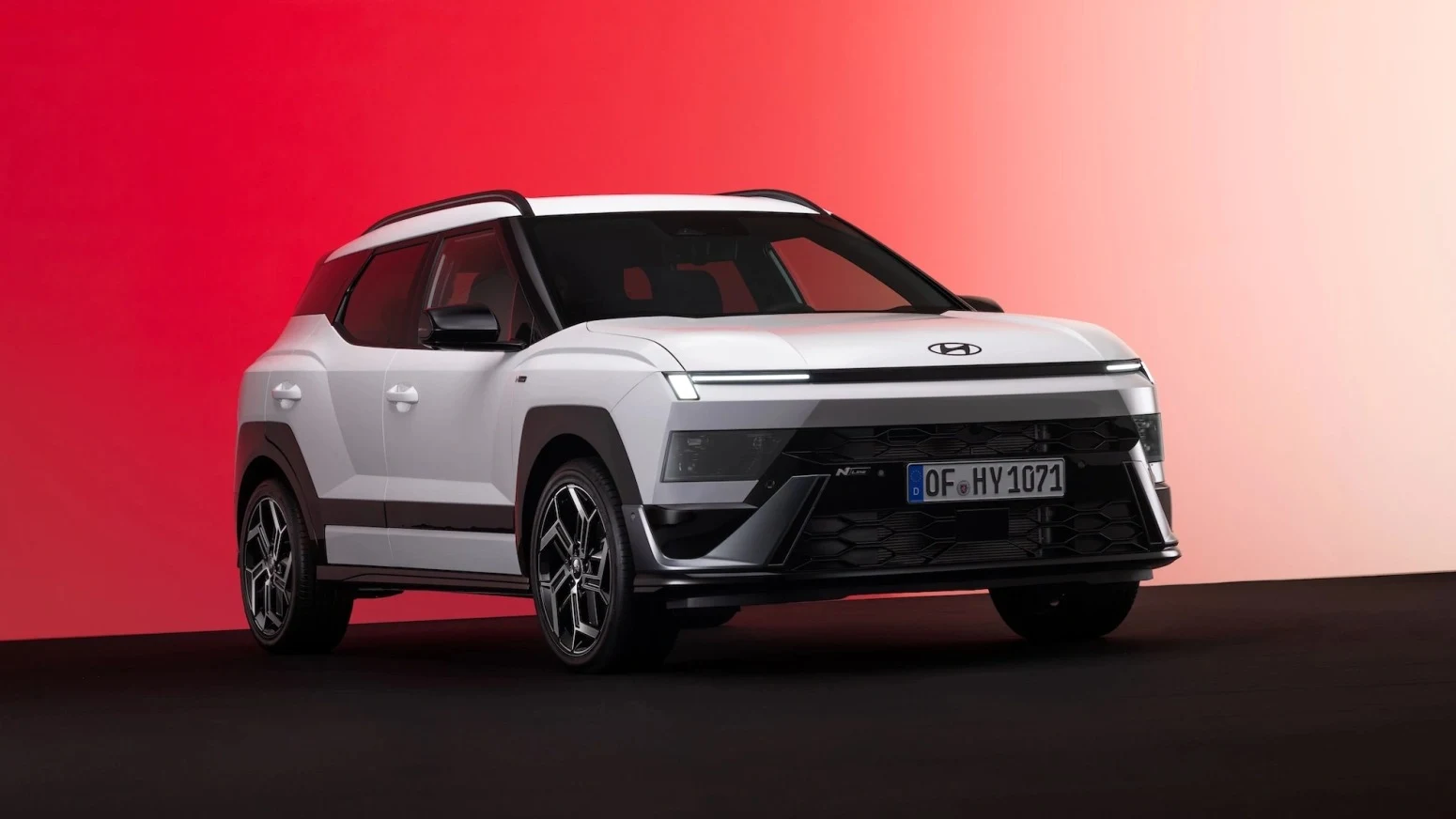
- Hyundai debuted a fully redesigned Bayon crossover at the Paris Motor Show, styled after the Tucson's Art of Steel concept.
- A new N Line trim adds 18-inch wheels, dual exhausts, and red-stitched interior details; the wheelbase grew by 20 mm to 2600 mm.
- The Bayon keeps a 1.0-liter T–GDI turbo engine with 89 hp and reaches European dealers in early 2027.
At the Paris Motor Show, a completely new version of the compact Hyundai Bayon crossover made its debut. According to representatives of the South Korean brand, the model has been significantly updated both externally and technically.
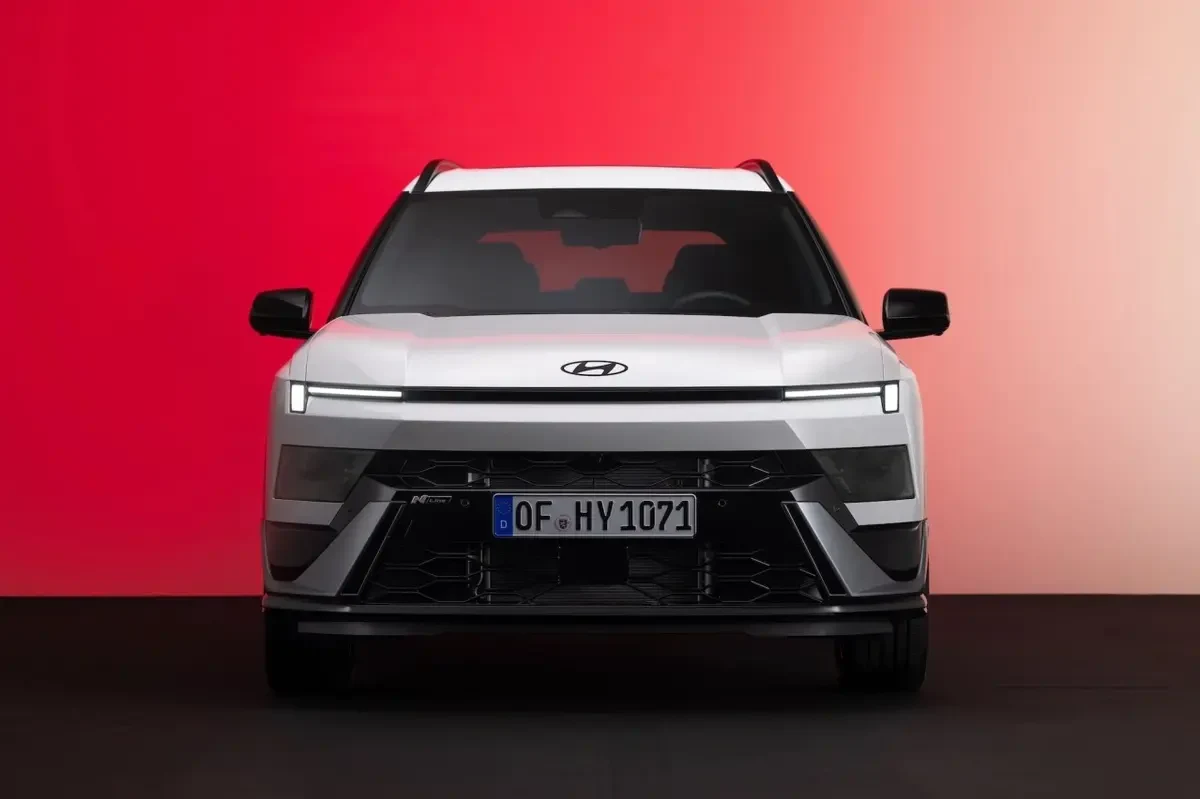
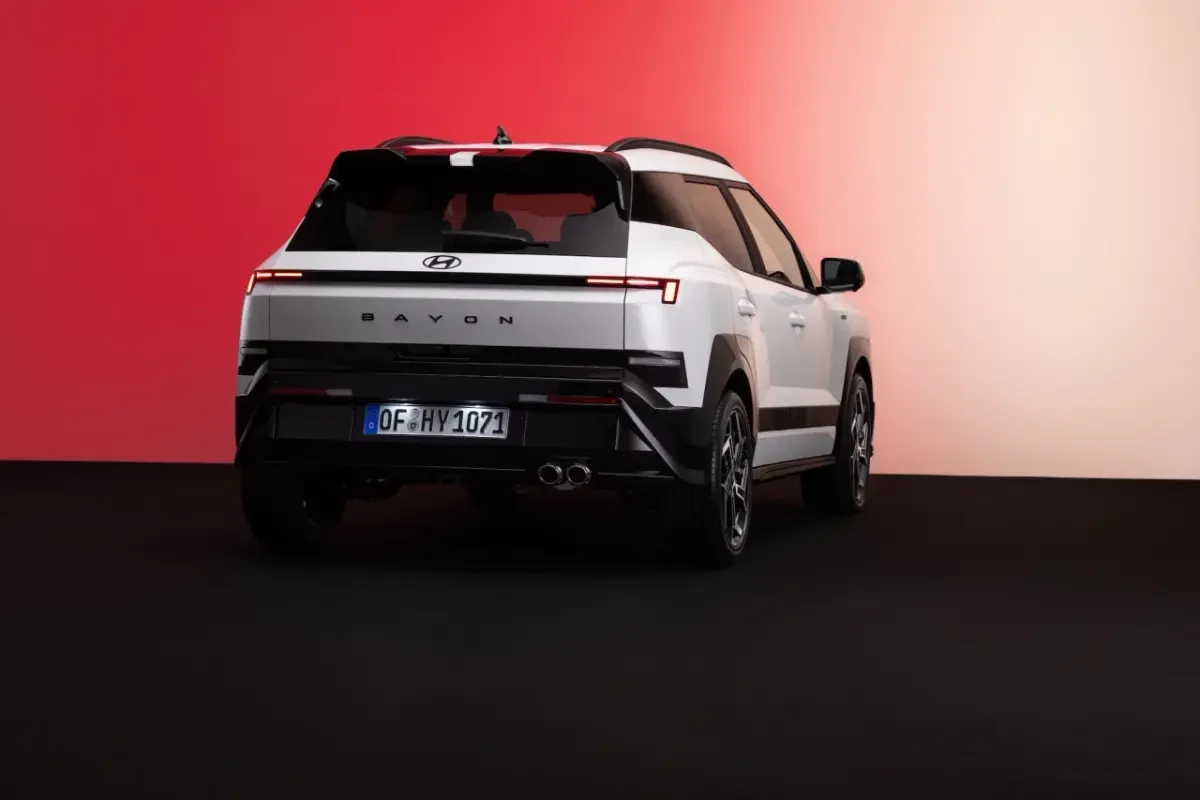
The main change is a radical redesign aimed at making the car more noticeable on the road. The basis of the style is the Art of Steel concept, familiar from the latest generation of the Tucson model. This is clearly visible in the characteristic details: the 'hockey stick'-shaped daytime running lights, the raised hood line, and the massive wheel arch extensions. The model name is now written in large letters on the tailgate, under the Hyundai emblem.
For the first time, an N Line trim has been introduced for the Bayon: it includes 18-inch wheels, dual exhaust pipes, and in the cabin, red-stitched accents and metal pedals.
Thanks to the exterior changes, the crossover looks visually larger than its predecessor. The sense of width is also reinforced technically: the wheelbase has been extended by 20 mm, reaching 2600 mm.
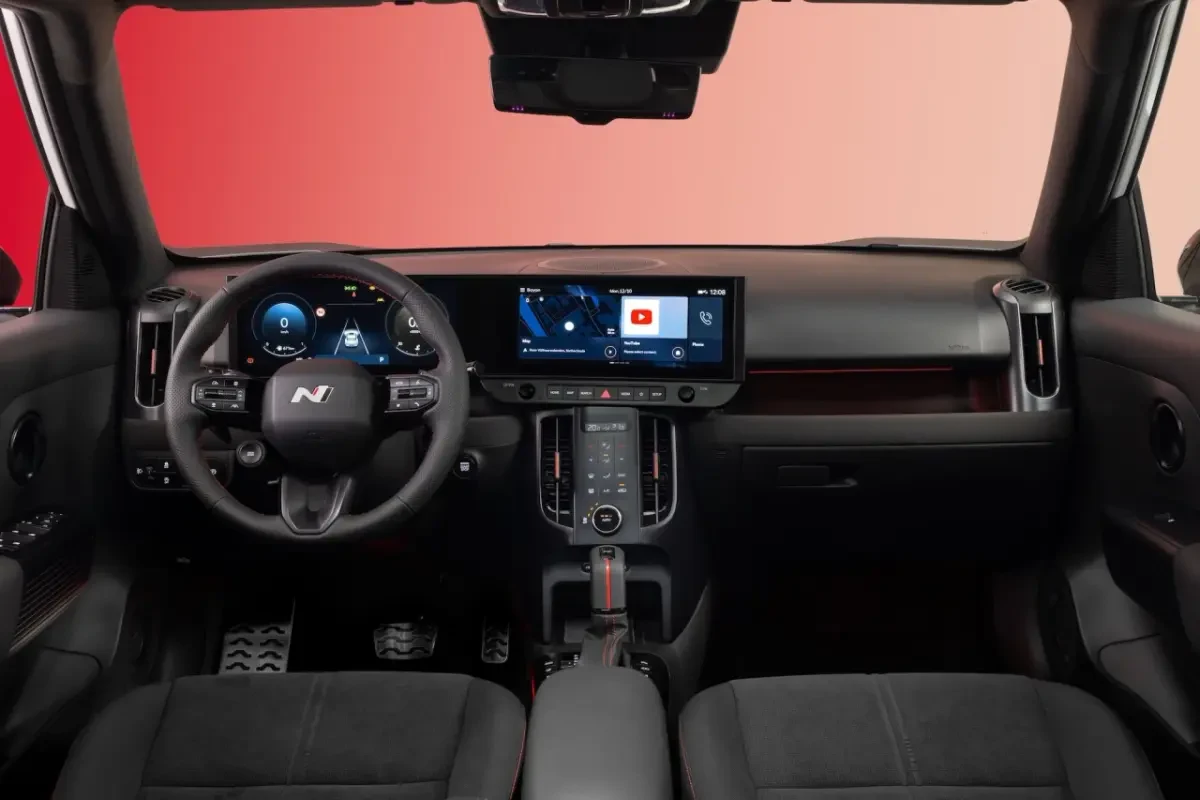
Among the available options are two 12.3-inch displays, 360-degree cameras, ventilated seats, and a panoramic roof. Also offered are the Digital Key 2 system (unlocking and starting the car via smartphone) and a Bose audio system. At the same time, a block of traditional physical buttons has been retained on the cabin console.
The Bayon's engine lineup consists of a base 1.0-liter four-cylinder T–GDI turbo engine producing 89 horsepower, paired with a 6-speed manual or a 7-speed dual-clutch 'robotic' transmission.
The updated Bayon will be delivered to Hyundai dealers in Europe in early 2027.