
A former Ukrainian military officer is set to become the first person to stand trial over the 2022 Nord Stream pipeline bombings when proceedings begin in a German court on Wednesday.
ADVERTISEMENT ADVERTISEMENTIn September that year, seven months after Russia's full-scale invasion of Ukraine, a series of blasts under the Baltic Sea damaged three of the four Nord Stream pipelines designed to carry Russian gas to Europe.
While some in the West were quick to accuse Russia of sabotaging its own export route, German investigators identified a cell of Ukrainians they say were the alleged perpetrators.
Investigators allege Sergiy Kuznietsov, a former Ukrainian special forces officer, led a group of divers, an explosives expert, and a boat skipper that planted explosives on the pipelines.
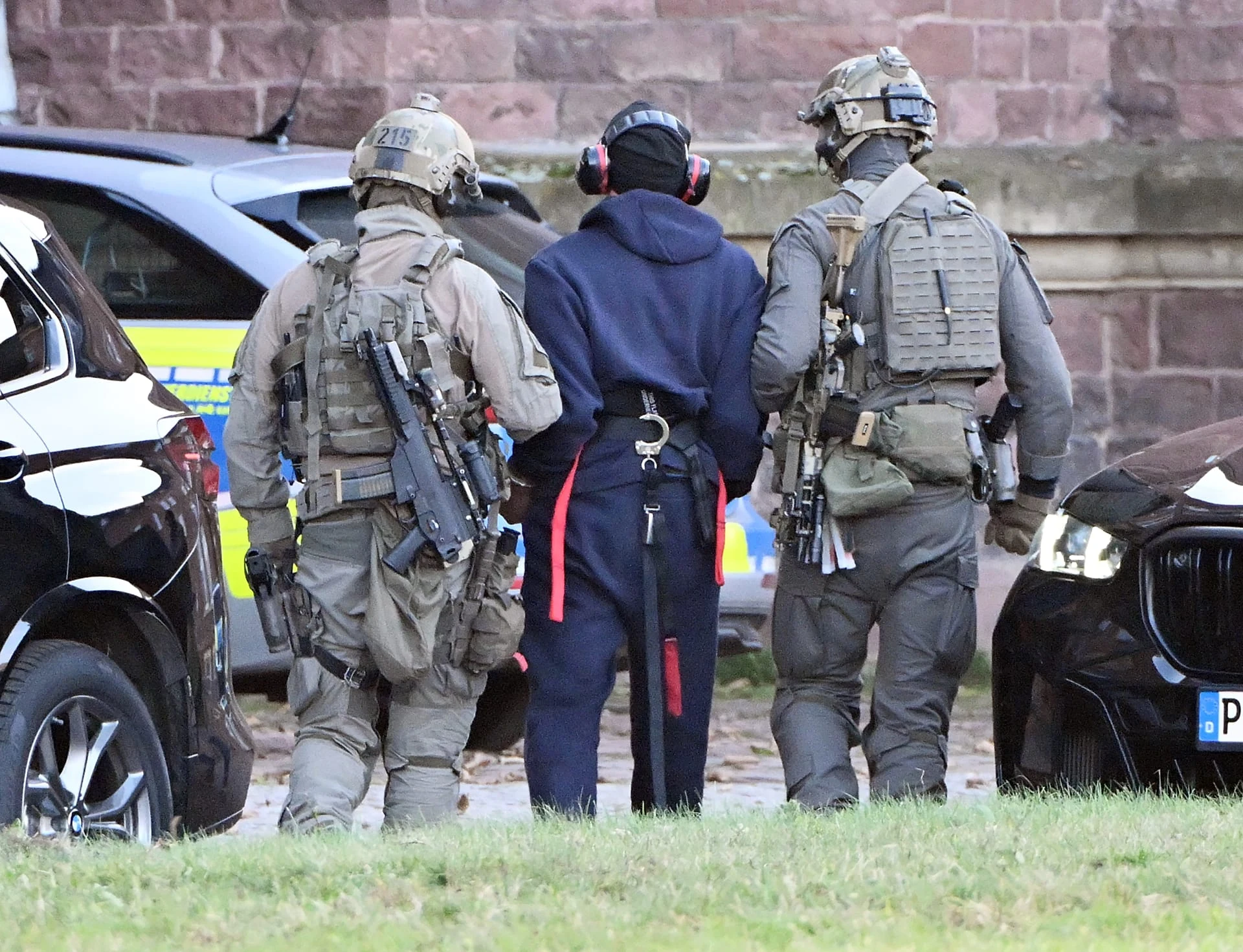
Kuznietsov, who was arrested in Italy last year and extradited to Germany, will face charges including carrying out a "war crime," attacking civilian infrastructure and causing an explosion.
Ahead of proceedings getting underway in the northern city of Hamburg, a small group of pro-Ukrainian demonstrators staged a protest outside the court.

They held placards saying "Russia is a terrorist" and "What are war crimes? A blown-up pipeline? Or the bombing of buildings and the killing of people?"
According to the indictment, Kuznietsov entered Germany in early September 2022 using a forged Ukrainian passport and, together with the rest of the sabotage team, boarded a rented yacht in the German Baltic Sea port city of Rostock.
The yacht was allegedly loaded with large quantities of military-grade explosives and set sail for a spot where the pipelines ran under the Baltic Sea near the Danish island of Bornholm.
Divers then allegedly planted explosive charges equipped with timers on the pipelines, which blew up several days later.
Sabotage attacks
Kuznietsov's lawyers unsuccessfully tried to challenge the German court's jurisdiction over the attacks and have suggested they may argue that the pipelines were legitimate military targets in Ukraine's fight against Russia's invasion.
The defendant will refuse to testify during the trial as ex-members of Ukraine's special forces are banned from speaking publicly about their work when in the military, news magazine Stern reported on Wednesday.
The pipelines were built and owned by a corporate consortium led by Russian energy giant Gazprom.
At the time of the blasts, none were in operation.
Moscow had already suspended gas deliveries to western Europe through Nord Stream 1, comprising two pipelines, after the European Union imposed sanctions over the war in Ukraine.
Nord Stream 2, also made up of two pipelines, had only just been completed and never entered service.
When asked by AFP what Russia expected from the trial, Kremlin spokesman Dmitry Peskov said he expects "that those who carried it out will be named, along with those who ordered it."
"I don't think anybody has any doubt about who it really is," Peskov added.
A senior Ukrainian official, meanwhile, told the AFP news agency that Kyiv has "no expectations from the trial."
Sensitive subject
Kyiv has consistently denied orchestrating the sabotage.
But it has made no secret of its satisfaction with the results, saying that by rendering the pipelines inoperable, Moscow's ability to fund its war was weakened.
Another suspect, partially identified as Volodymyr Z. and accused of taking part in the sabotage as a diver, was arrested in Croatia in August.
A Croatian court has approved his extradition to Germany although he is appealing the decision.
According to media reports, Volodymyr Z. was advising the makers of a Hollywood film inspired by the sabotage, with Oscar-winning actor Adrien Brody tapped to portray the leader of the sabotage unit.
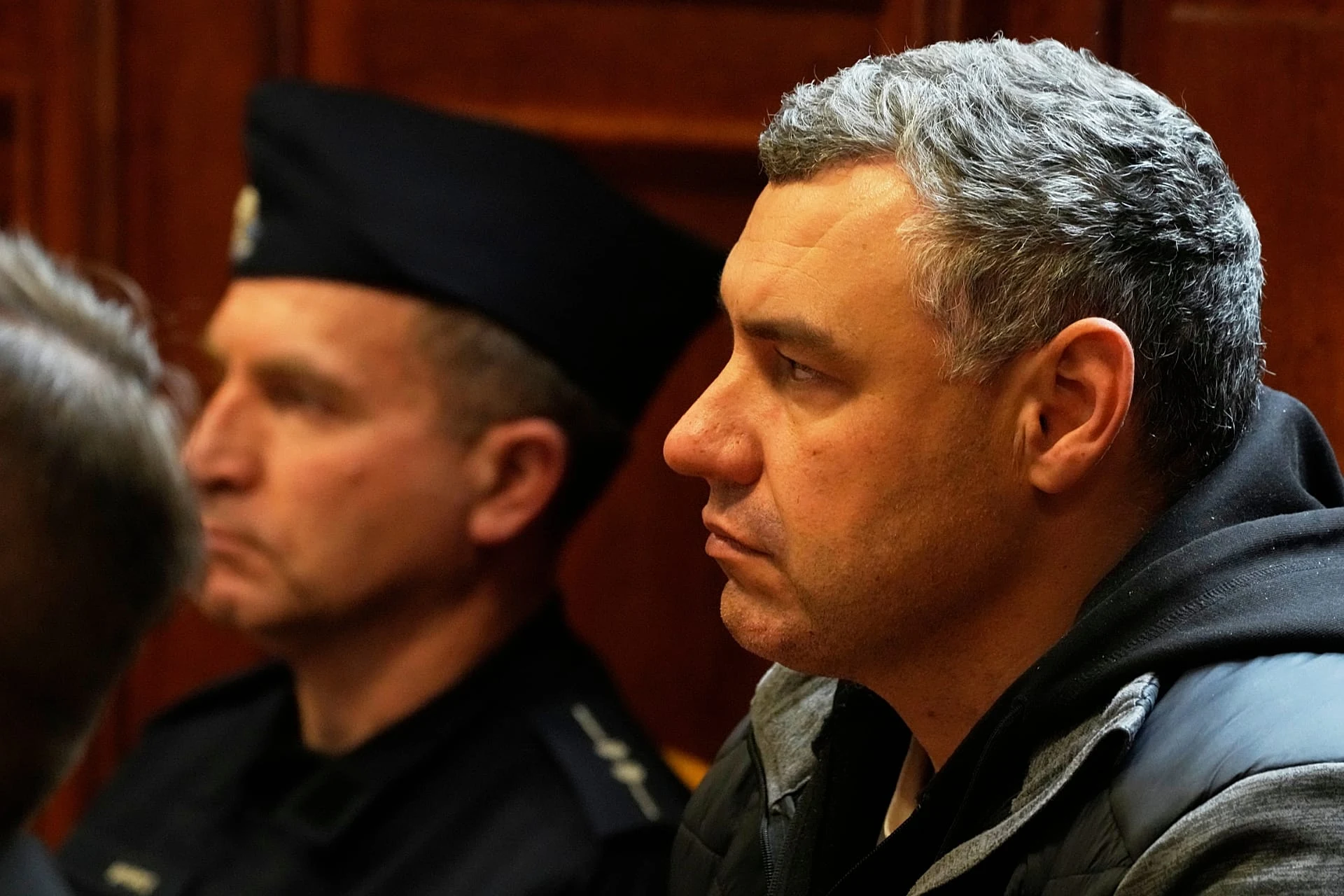
Volodymyr Z. had previously been arrested in Poland but was freed after a Polish judge refused to extradite him to Germany, ruling that the sabotage of the pipelines was justified as part of Ukraine's defence.
Since the full-scale invasion of Ukraine, Germany has become Kyiv's leading military backer and regularly accuses Russia of sabotage and espionage on its soil.
But the Nord Stream sabotage remains a sensitive subject in Germany.
Some have blamed the attacks for helping to drive up energy prices and worsening a gas crisis that rocked Europe's biggest economy.


