The key facts
- At least 18 people were killed in last week's strikes on the airport, 13 of them after Saturday's attack.
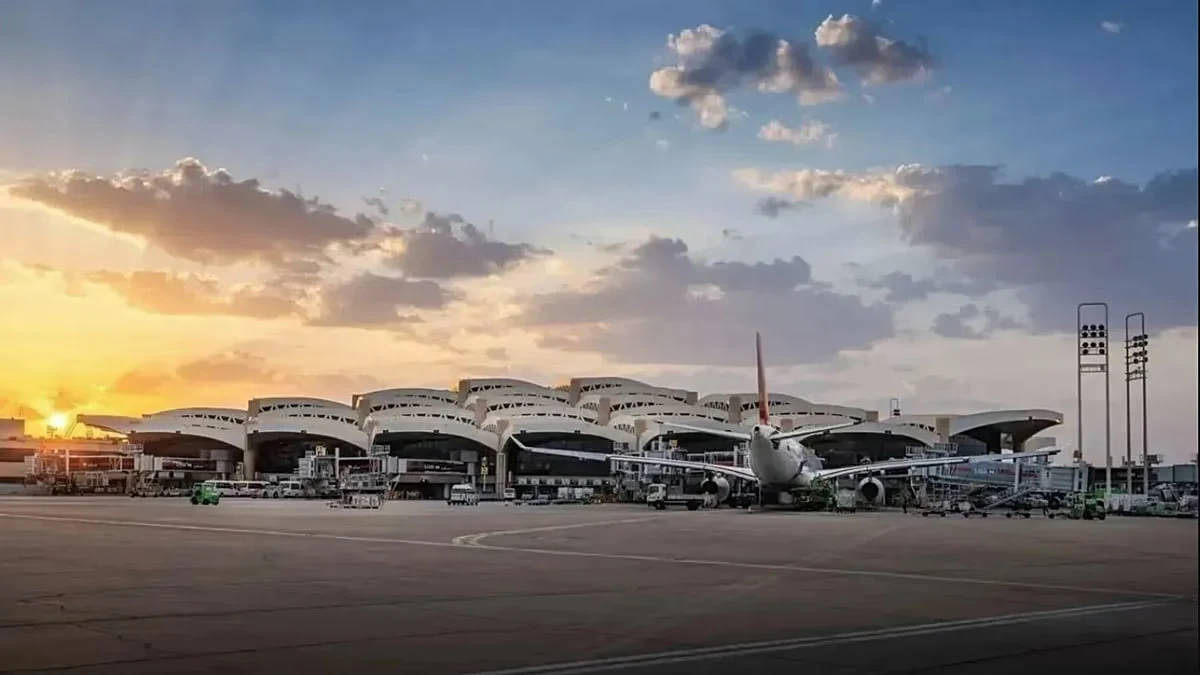
- The Saudi aviation authority suspended operations at King Khalid International Airport at least until the end of the work week.
- The energy minister vowed a 'serious' response to Houthi attacks on airports and oil and gas facilities.
Strikes on the airport last week killed at least 18 people, 13 of the deaths recorded after Saturday's strike – the deadliest attack in the country in more than a decade. Hundreds of people were wounded. Saudi officials promised a harsh response to the Houthis.
On Monday, Saudi Arabia's General Authority of Civil Aviation announced that 'operations at King Khalid International Airport have been suspended,' without specifying what period was meant.
According to a source at one of the airlines operating flights to Gulf countries, notices from the Saudi aviation authority on Monday said the airport's operations would be suspended at least until the end of the work week.
A senior official of the Riyadh metro also told an AFP reporter that the government had halted train service at the three stations serving the airport, he said.
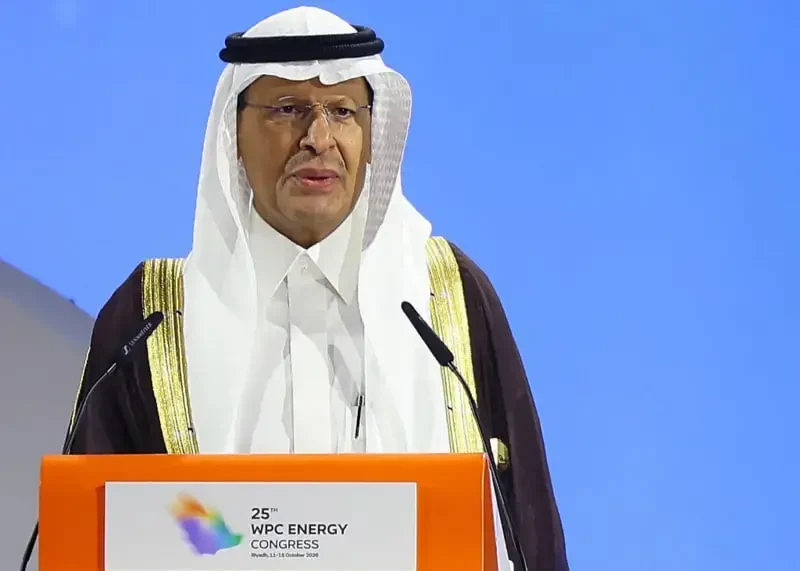
Saudi Arabia's energy minister promised a 'serious' response to the attacks by the Iran-backed Houthis on airports and oil and gas facilities.
'The events of recent weeks have taken on a serious character. Our response must be equally serious,' said Prince Abdulaziz bin Salman at the WPC World Energy Congress opened in Riyadh.
The Houthis said the strikes were in response to the Saudis' 'brutal aggression' in western Yemen.
The health ministry controlled by the Houthis reported on Sunday that a young child was killed and six more people wounded in a Saudi airstrike on residential areas in Sanaa, Yemen's capital.
The Saudi-led coalition is providing air support to government forces advancing against the Houthis along Yemen's Red Sea coast and other areas.
Saudi Arabia's position